

No products in the cart.
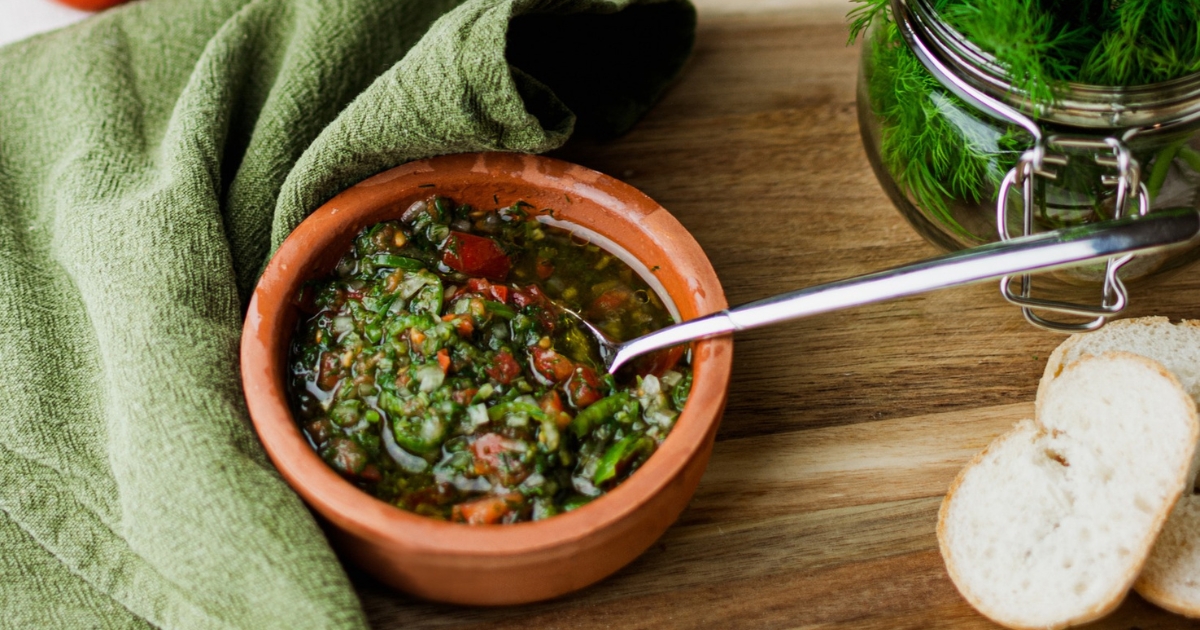
In the United Arab Emirates, extra virgin olive oil is far more than a pantry staple.
Across Dubai, Abu Dhabi, Sharjah, and beyond, thousands of Levantine families continue the traditions they brought from Lebanon, Syria, and Palestine, preserving recipes, rituals, and habits that have shaped their homes for generations.
Step into many Levantine households across the Emirates and you will find the same familiar scene repeated every morning and every evening: olive oil at the centre of the table, placed beside warm bread, labneh, za’atar, olives, and dishes prepared the same way they have been for decades.
Because for many families in the UAE, olive oil is not simply bought for cooking.
It is part of identity.
Part of hospitality.
Part of home.
These are the authentic ways extra virgin olive oil continues to be enjoyed in Levantine households across the Emirates today.
1. Served with fresh bread at the table
In many Levantine homes across the UAE, olive oil is placed on the breakfast or dinner table before anything else.
Fresh khubz or warm flatbread is torn by hand and dipped directly into olive oil as a daily ritual, often before the meal has even properly begun.
For many families, this remains the purest way to appreciate a premium oil.
2. Mixed with za’atar for the classic morning breakfast
Perhaps no breakfast is more common in Levantine homes throughout Dubai and Abu Dhabi than bread dipped in olive oil and za’atar.
Children grow up eating it before school.
Parents prepare it in minutes before work.
Families serve it on weekends around the breakfast table.
It remains one of the most recognisable breakfast traditions in Levantine households throughout the UAE.
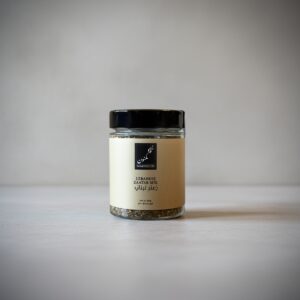
Perfect pairing: Za’atar Mix
3. Poured over hummus before guests arrive
Whether for family dinners or receiving visitors, hummus is rarely served in Levantine households without olive oil poured generously over the top.
The oil is not garnish.
It is essential to the flavour, texture, and final presentation.
For a smooth, balanced drizzle: Lebanon Classic Extra Virgin Olive Oil
4. Spread over labneh at breakfast
Labneh topped with olive oil remains a staple across countless Levantine breakfast tables in the Emirates.
Served with cucumbers, tomatoes, mint, and olives, it forms one of the most common morning spreads in Arab homes.
5. Used in homemade manakish
Across many UAE households, especially on weekends, families prepare homemade manakish using olive oil mixed directly into za’atar before spreading over dough.
The aroma of baking bread and olive oil is one of the defining scents of a Levantine kitchen.
6. As the foundation of musakhan
Musakhan, the beloved Palestinian dish of chicken, onions, sumac, bread, and olive oil, depends heavily on generous quantities of oil for authenticity.
For Palestinian families living in the UAE, this dish remains one of the strongest culinary ties to home.
Best suited for: Palestine Classic Extra Virgin Olive Oil
7. Folded into tabbouleh and fattoush
In Levantine homes, salads are not covered in bottled dressing.
They are dressed simply:
olive oil, lemon, salt.
That is all.
The oil binds the herbs, vegetables, and acidity together in the traditional way.
8. Used in daily lentil soup
A bowl of shorbet adas in many Syrian and Lebanese homes is incomplete without olive oil added before serving.
Some drizzle it fresh.
Others infuse it lightly with cumin or garlic first.
9. Cooked into slow vegetable stews
Many of the dishes cooked weekly in Levantine UAE homes begin the same way:
olive oil in the pan, followed by onion, garlic, and spices.
Beans, okra, tomatoes, lentils, courgettes, all often begin with this foundation.
10. Used in makdous preparation
Makdous remains a treasured staple in many Syrian households and is still prepared or purchased regularly across the Emirates.
Without olive oil, makdous cannot exist.
11. Drizzled over foul and bean dishes
Foul medames and other bean dishes depend on olive oil for richness and body.
A generous pour over the top transforms the dish from plain to complete.
12. As a marinade for family BBQs
Weekend grilling is common in the UAE, and many Levantine families marinate meats using olive oil, garlic, lemon, and spice before cooking.
It remains the traditional marinade base for chicken, lamb, and kebabs.
13. Used over roasted vegetables
From cauliflower to potatoes to aubergine, olive oil is used generously before roasting vegetables in Levantine kitchens.
It adds colour, flavour, and depth.
14. In savoury pastries and fatayer
Many families still use olive oil in doughs and fillings for savoury pastries prepared at home.
15. Paired with honey
A more rustic tradition still found in some households is bread dipped first in olive oil and then honey.
Simple. Old-fashioned. Deeply nostalgic.
16. Served during family gatherings
Olive oil often sits in the middle of the table for everyone to use freely.
It is not portioned carefully.
It is shared generously.
17. Tasted on its own by those who understand quality
In homes where olive oil matters deeply, the finest bottles are tasted alone with bread before ever being used in cooking.
Because when the oil is exceptional, it deserves to be appreciated by itself.
Compare origins directly:
Lebanon Classic
Palestine Classic
Syria Classic
A taste of home across the Emirates
For many Levantine families living in the UAE, olive oil is more than food.
It is continuity.
A way of preserving the habits, flavours, and rituals they grew up with, even while building new lives far from where those traditions began.
From breakfast before school in Dubai, to family lunches in Abu Dhabi, to evening gatherings in Sharjah, olive oil remains one of the quiet constants tying Levantine households to their roots.
And perhaps that is why, in so many homes across the Emirates, the finest olive oil is never hidden in the cupboard.
It stays within reach.
Always ready for the next meal.
Always ready for the next guest.
Always ready to bring a taste of home back to the table.


One comment
Hanan
Love this!