
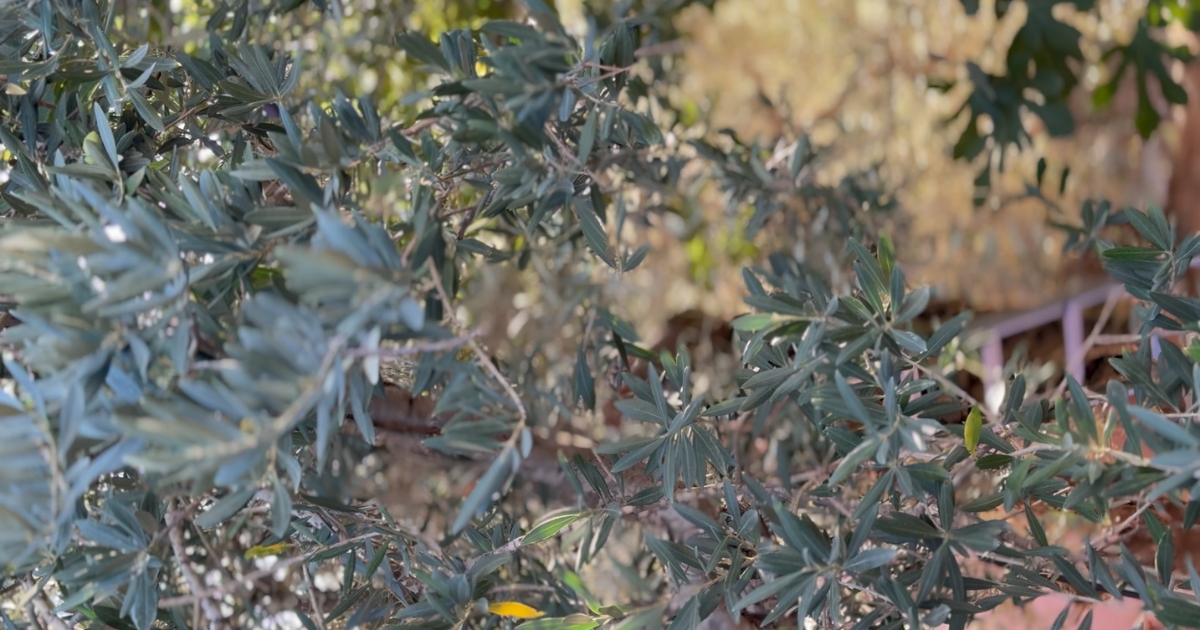
Our farmers grove sits on a hill above a village in South Lebanon.
From a distance, it looks like a slow, silver-grey wave; the way olive groves look everywhere in the Mediterranean. But when you walk into it, the trees change. Some of them are the height of a small house. Others are the height of a man. A few of them are wider than I am tall, with trunks split open by a thousand winters, growing into themselves like old hands.
The oldest tree in our village is somewhere between eight hundred and a thousand years old. Nobody knows exactly. The records were lost in a war, or a fire, or simply never kept. The tree was already old when my great-grandfather was born. It will outlive me.
Where olive oil actually comes from
Most people, even most people in the olive oil world, do not realise this: the Levant is the home of the olive tree.
The wild ancestor of every cultivated olive on earth; from Tuscany, to Andalusia, and Tunisia, grew first in the hills between Lebanon, Syria, and Palestine. Archaeologists have found evidence of olive cultivation in the Jordan Valley dating back more than six thousand years. The first olive presses, the first oil jars, the first trade routes; all of them started here.
The Phoenicians, who were our direct ancestors, were the people who carried olive cultivation westward. They planted the first olive trees in Spain, in Italy, in North Africa. Every olive oil in your supermarket is, in a quiet genealogical sense, a descendant of ours.
I do not say this to claim ownership. I say it because when you stand under one of these old trees in the south, you can feel the weight of it. This is not a fashionable agricultural product. This is a six-thousand-year-old relationship.
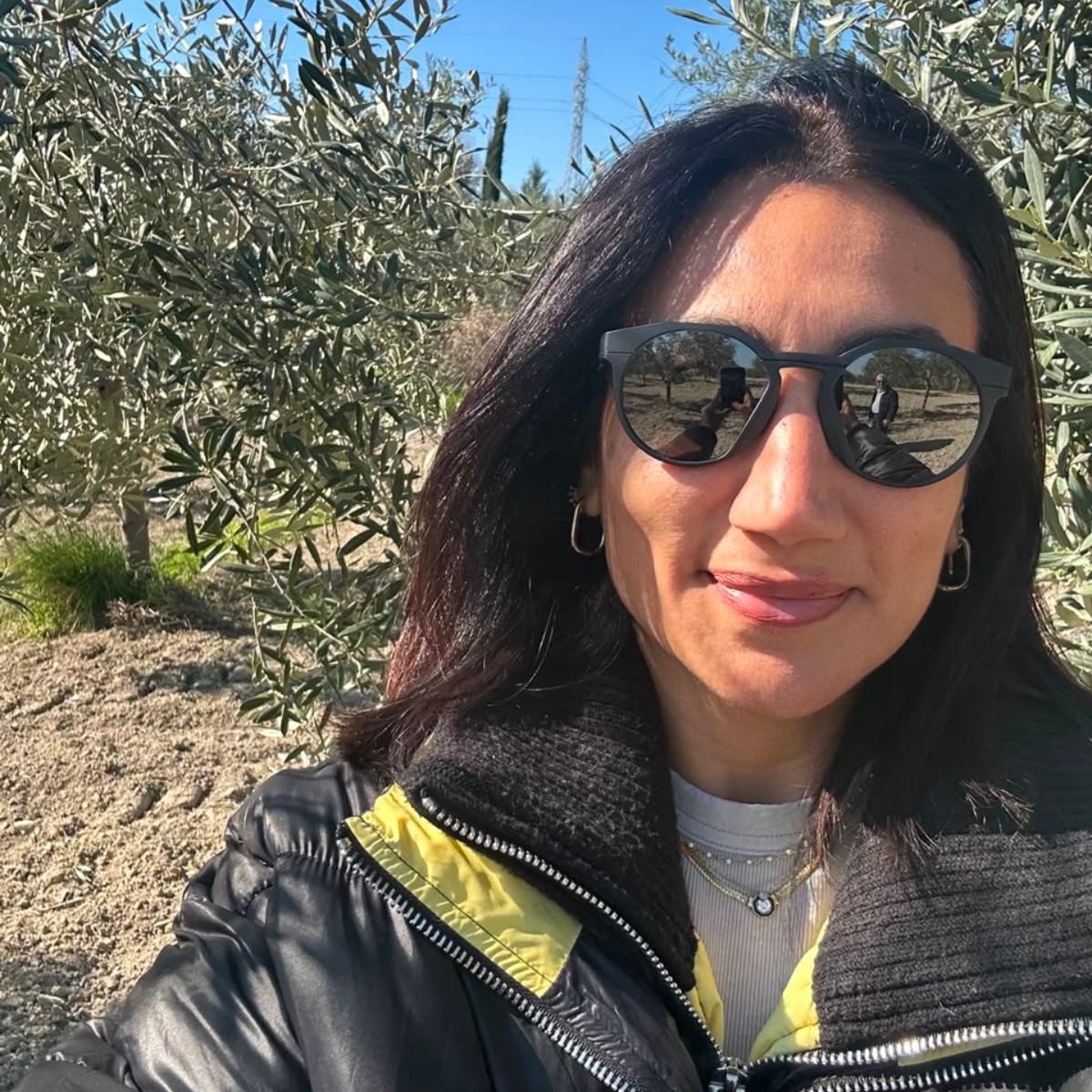
The grove itself
Our trees are mostly Souri ‘صوري’ , the cultivar named after the city of Tyre, sixty kilometres south of where we grow. Souri is one of the oldest cultivated olive varieties on earth. It is small, hardy, and slow. It produces less oil per tree than the modern Spanish cultivars, but the oil it produces has a depth I have not tasted anywhere else.
On the same land we have a few older trees that nobody can quite identify; varieties that predate the names we use now. They produce strange, dark olives that taste of black tea and dust.
The hill faces west. The Mediterranean is fifteen kilometres away as the crow flies, and you can taste it in the oil. There is a faint mineral salinity that comes from the sea breeze settling on the leaves at night. Olive oil, like wine, carries its terroir. Ours carries the southern coast.
The harvest
We pick by hand. Always by hand.
The harvest begins in late October, when the olives are still green-purple; what we call the early harvest, the one that produces the most peppery, polyphenol-rich oil. It ends in early December, after the olives have turned black and softened.
Picking is a family & friends job. Everyone comes; cousins, neighbours, friends from the city, the children of friends. We lay clean nets under the trees, and we hand-strip the branches. The olives fall onto the nets. We sort them by hand, the same evening.
Then we drive; fast, because time matters, to the press.
The press
The press matters more than almost anything else.
There is a window; twelve hours, ideally less, between picking and pressing. After that window, the olives begin to ferment, and the oil loses its brightness. Our press is twenty minutes from the grove. The olives are cold-pressed, mechanically, without heat or chemicals, within hours of being picked.
What comes out of the press is opaque, bright green, and almost vibrating. The first taste of new oil, straight from the spout, is one of the great agricultural experiences of the year. It is grassy, peppery, almost alive. It catches at the back of the throat. The Italians call this sensation pizzica; the pinch, and it is the sign of a young, healthy oil rich in antioxidants.
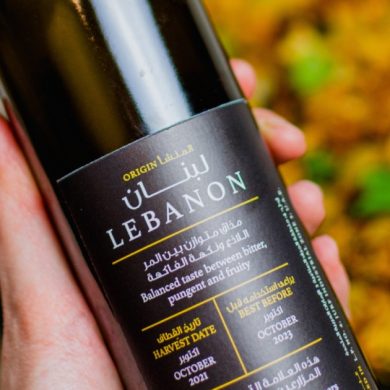
We test every batch in the laboratory. Free fatty acid, peroxide values, polyphenol count. Maknoon Classic comes in well below the legal threshold for extra virgin (0.8%); usually under 0.3%. That is not luck. That is the harvest window and the press.
Why South Lebanon
People ask me, sometimes, why I source from South Lebanon when the region has been so difficult for so long.
The slightly long answer is that the south is, in many ways, the best place in the country to grow olives; the soil, the altitude, the proximity to the sea, the old root systems that have been pulling water from the bedrock for centuries.
And the longest answer is the one that matters most to me. The farmers I work with in the south have been growing olive oil through wars, displacements, occupations, and economic collapse. They have refused to leave the land, refused to let the trees go untended, refused to let the harvest fail.
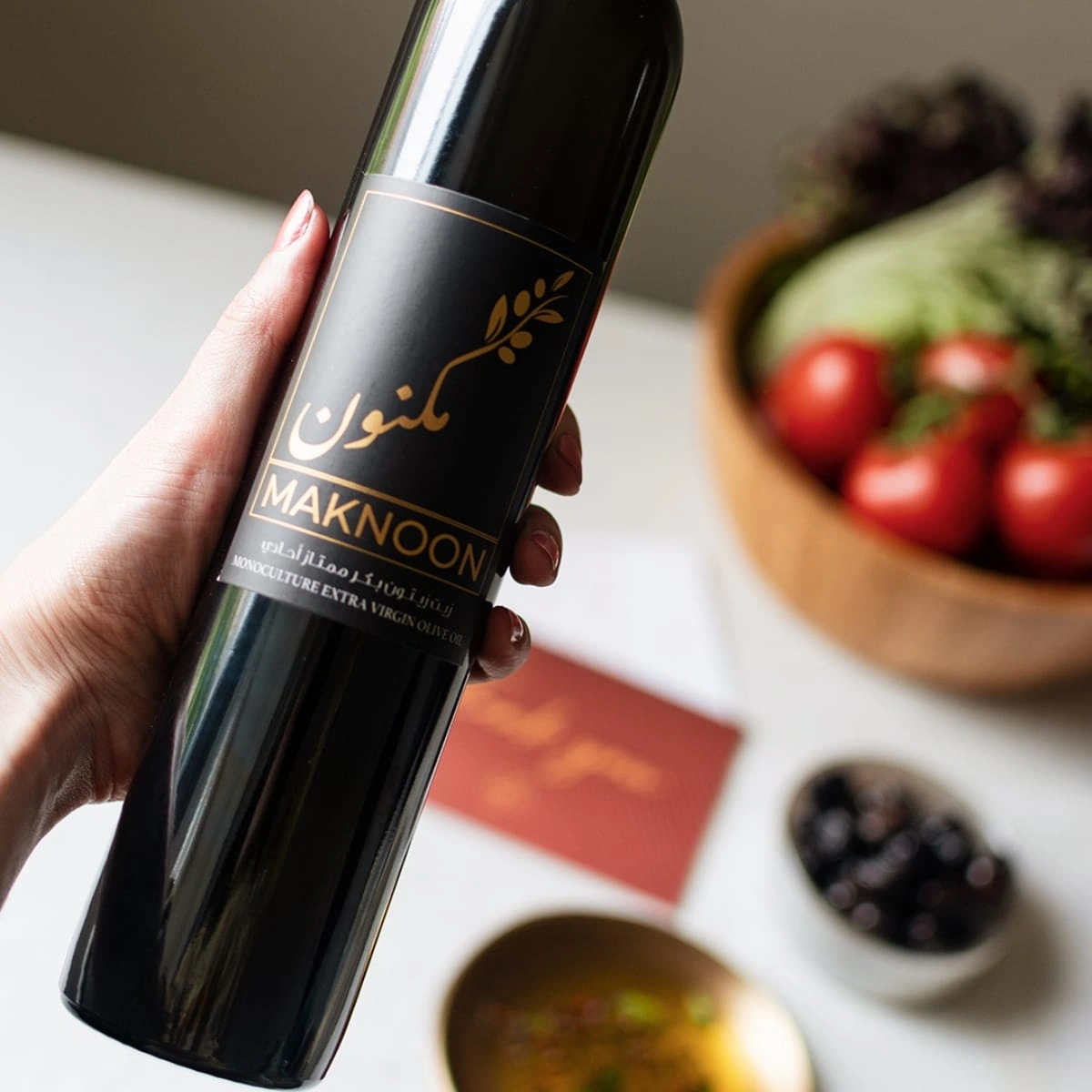
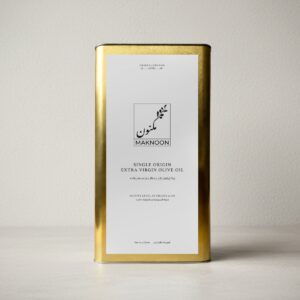
Every bottle of Maknoon Classic carries that refusal. Buying it is a small act of solidarity. Drinking it is a small act of remembering.
What I want you to taste
When you open a bottle of Maknoon, I want you to taste the southern hill. I want you to taste the sea wind. I want you to taste the eight-hundred-year-old tree, and the kid who climbed it last October, and the cold press that turned its fruit into oil within hours.
Olive oil is not a luxury commodity. It is a relationship made portable. We bottled it so it could travel. But it began on a hill, with a family, under trees that have been there longer than any of us can imagine.
That is where Maknoon begins. Every time you pour it, that is where it is still coming from.


Add comment